Autism in Girls: The Signs Parents and Teachers Often Miss
The Diagnostic Gap
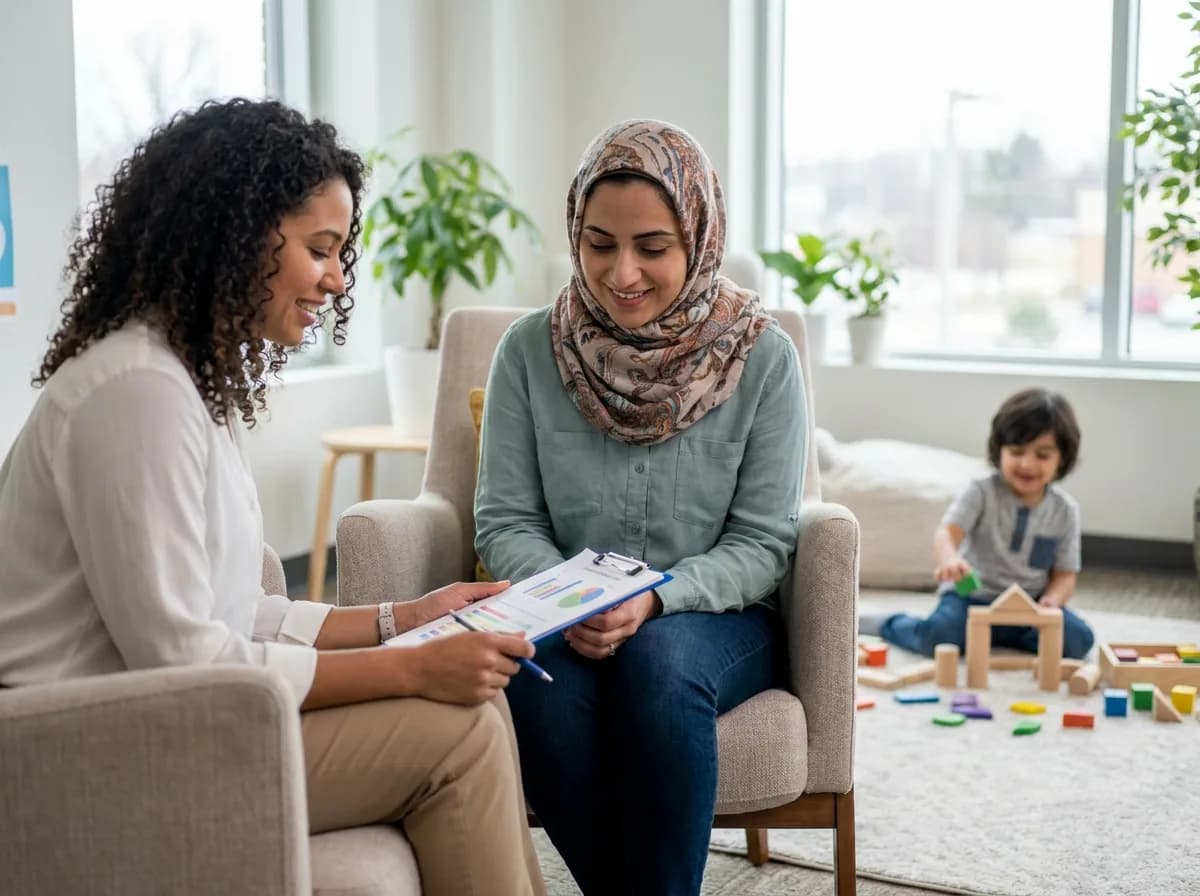
Boys are diagnosed with autism roughly four times more often than girls — but research increasingly shows this gap is partly an artifact of how we look. Diagnostic tools and public awareness were built around how autism typically presents in boys. Girls are diagnosed later, misdiagnosed more often (anxiety, ADHD, "shyness"), or missed entirely until adolescence — losing years of understanding and support.
How Autism Can Look Different in Girls
- Camouflaging (masking): many girls study and imitate social behavior — copying a popular classmate's phrases, rehearsing conversations — appearing socially "fine" at school, then collapsing into meltdowns or shutdowns at home
- Socially "acceptable" intense interests: instead of trains or dinosaurs, the deep interest may be horses, a band, a book series or animals — intense in degree, not unusual in topic, so it raises no flags
- One intense friendship rather than obvious social isolation — often with distress when that friendship shifts
- Quiet sensory struggles: tugging at clothing seams, avoiding the cafeteria, covering ears discreetly
- Internalizing, not externalizing: anxiety, perfectionism, tummy aches before school — rather than disruptive behavior
Why "She Does Fine at School" Misleads
Teachers often see the mask; parents see the cost of wearing it. A girl who holds it together for six hours and then melts down nightly at home is not "fine at school" — she is exhausted by it. This home–school discrepancy is one of the most consistent flags we see at Bloom Autism Center.
When to Seek an Assessment
Consider a professional autism assessment if your daughter shows several of: extreme distress at routine changes, friendship struggles beneath a social surface, sensory sensitivities, intense all-consuming interests, school-day exhaustion, or anxiety that doesn't respond to typical reassurance. Our assessments look beyond surface presentation — including detailed parent interviews and home-based observation across Dubai, where masking drops away.
Support That Respects the Mask
For girls who camouflage, support focuses on reducing the cost of masking: genuine social understanding instead of scripts, sensory accommodations, emotional literacy, and an environment where she doesn't have to perform. That, too, is individualized — the heart of the Bloom Compass Program.
Ready to take the next step? The Bloom Autism Center team offers a free consultation — at our center or in the comfort of your home, anywhere in Dubai. Reach us on WhatsApp, email info@bloommedcare.com, or call +971 4 263 5089.