Social Skills Groups for Children with Autism in Dubai
Friendship is a skill — and it can be learned. Our small, playful groups help children connect, share and belong.
Learning to Connect, Through Play
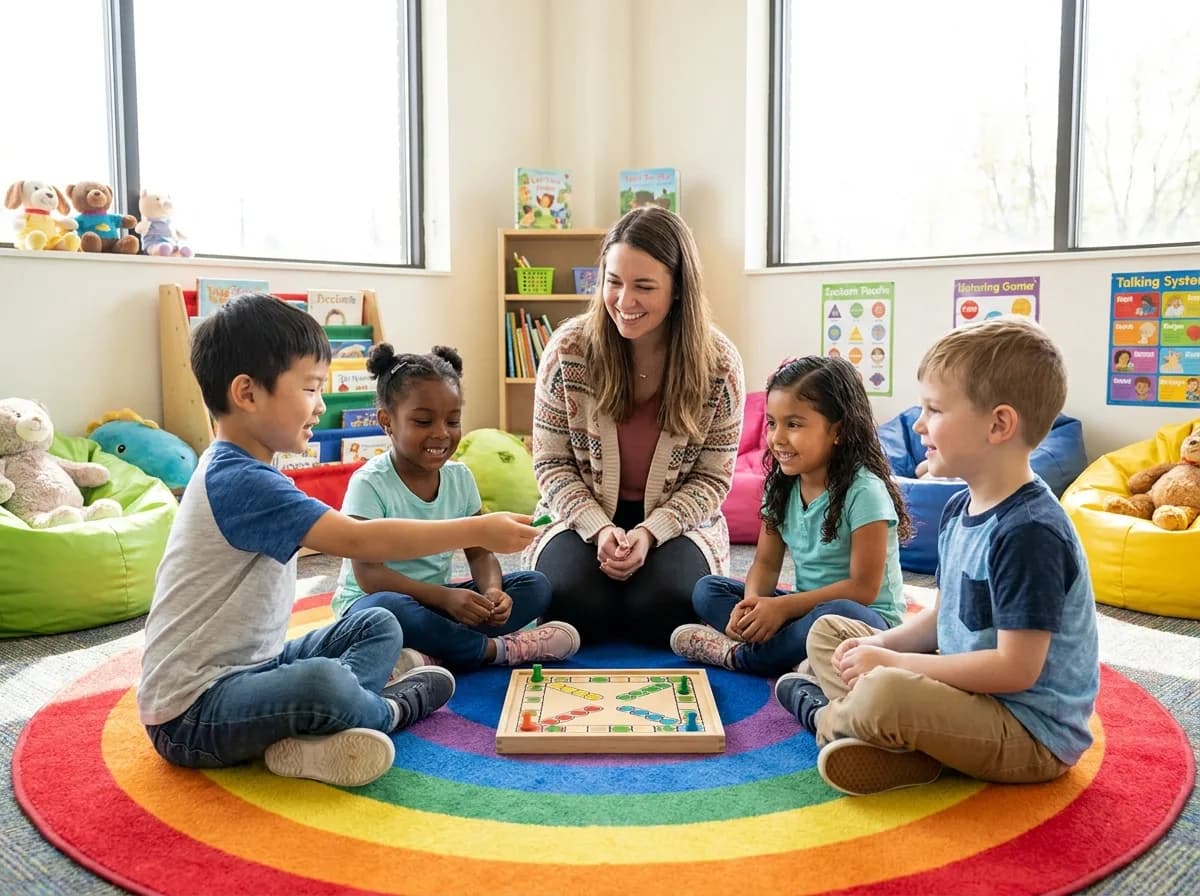
Social interaction doesn’t always come naturally to autistic children — but the skills behind it can be taught, practised and celebrated. Our social skills groups create a safe, supportive space where children learn to play and connect with peers who are a good match in age and level.
Every session is play-based and gently guided by our facilitators, so children experience real social success — taking a turn, sharing a laugh, making a friend — in a way that feels fun rather than forced.
Skills We Build Together
The building blocks of friendship and belonging.
Turn-Taking
Waiting, sharing and taking turns in games and conversation.
Cooperative Play
Joining in, playing alongside peers and working toward a shared goal.
Friendship Skills
Greeting, reading social cues and the give-and-take of friendship.
School Integration
Skills that transfer straight to the classroom and playground.
What to Expect
Getting to Know Your Child
We learn about your child’s interests, strengths and social goals to find the right group.
A Well-Matched Group
Your child joins a small group matched by age and level, led by experienced facilitators.
Guided Play & Progress
Children practise real social skills through play, with progress shared with you regularly.
Why Choose Bloom
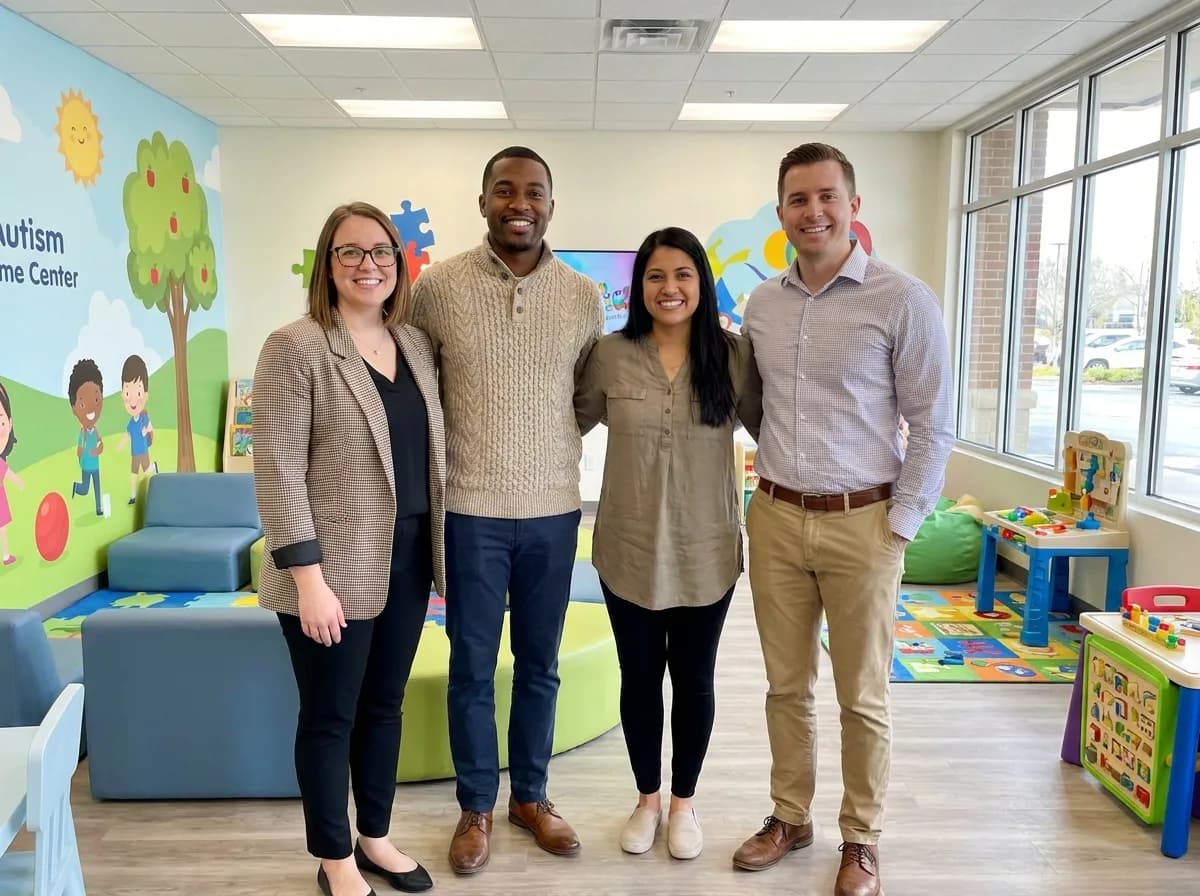
As Dubai’s first IBCCES-Certified Autism Center, our groups are facilitated by a team trained specifically in autism and sensory needs. We keep groups small, positive and sensory-aware, so every child can take part with confidence.
IBCCES Certified
Specialised autism training across the team.
Small, Matched Groups
Children grouped thoughtfully by age and level.
Positive & Safe
Every interaction is gently supported and celebrated.
Frequently Asked Questions
How are the groups organised?
Groups are small and carefully matched by age and developmental level, so every child is with peers they can genuinely connect and learn with. Keeping groups small means each child gets plenty of attention and support from our facilitators.
What skills do children work on?
Through guided, play-based activities, children practise turn-taking, sharing, joining in, reading social cues, conversation, cooperative play and the everyday skills of making and keeping friends. We follow each child’s interests so it feels like fun, not a lesson.
My child finds groups stressful. Is this right for them?
We design groups to feel safe and manageable. Facilitators scaffold every interaction, keep the environment calm and sensory-aware, and meet children at their level. For some children we recommend building foundational skills in 1:1 sessions first, then easing into a group when they’re ready.
How do social skills groups help with school?
School is intensely social, and the skills practised in our groups — taking turns, following group routines, playing alongside peers and managing small conflicts — transfer directly to the classroom and playground, supporting smoother school integration.
How will I know my child is making progress?
Our facilitators track each child’s goals and share regular updates with you. You’ll hear about specific wins — a first shared game, a spontaneous “my turn,” a new friendship — and we’ll suggest ways to encourage the same skills at home.
Explore Related Support
Help Your Child Make Friends
Book a free consultation and we’ll help you find the right group — or the right first step — for your child.